Fuel Your Miami Performance Like a Pro
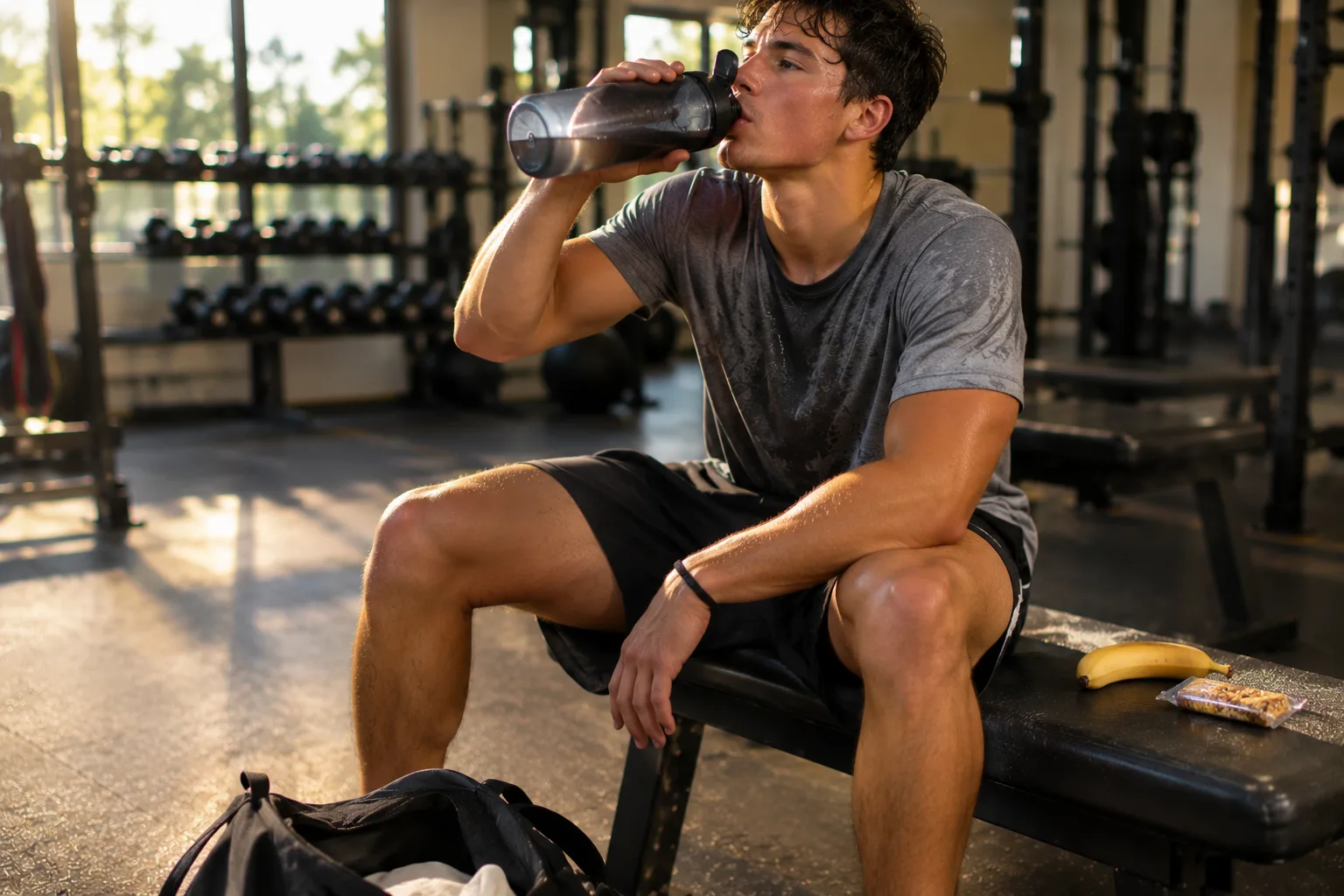
Training and competing in Miami is different. The heat, the heavy air, the long seasons, and holiday tournaments all add up. If you are only “eating healthy” and sipping water when you remember, you are leaving performance on the table. Your body needs a clear plan for fuel, fluids, and recovery that fits real South Florida conditions.
When you dial in game-day fueling, hydration, and recovery, you feel sharper, you last longer, and you bounce back faster for the next practice or matchup. Small changes like what you eat at breakfast, how you drink between quarters, and what you grab after the game can separate peaking from burning out. A sports nutrition coach in Miami can also work with your strength and skill coaches so you have one simple, repeatable system you can follow week after week.
Game-Day Fueling Strategies Miami Athletes Can Trust
Your body runs best when it is fueled on purpose, not at random. On game day, timing matters.
Here is a basic setup:
- Main pre-game meal: 3 to 4 hours before
- Top-off snack: 60 to 90 minutes before
- Quick fuel: 15 to 30 minutes before, if needed
That main meal should be mostly familiar carbs, some lean protein, and lower in fat and fiber so your stomach stays calm in the heat. For Miami’s common mid-morning games, this could be a strong breakfast. For early afternoon games, it may be a bigger lunch with a lighter breakfast.
Some simple Miami-friendly ideas:
- Grilled chicken, white rice, and sweet plantains
- Oatmeal with banana, honey, and a side of scrambled egg whites
- Turkey or chicken wrap with lettuce and tomato, plus a piece of fruit
- Rice bowl with black beans, grilled fish, and a little avocado
Bigger athletes and more intense positions usually need larger portions and more carbs. Skill players with a lot of sprinting may also need extra quick carbs. A sports nutrition coach in Miami can help match portions to body size, sport, and any cultural food preferences or sensitivities so pre-game meals feel normal, not forced.
In-game fuel matters most when:
- Your event lasts longer than about 60 to 75 minutes
- You have tournaments or doubleheaders
- You are in long, hot training blocks
For shorter events, water may be enough. For longer ones, use:
- Sports drinks
- Gels or chews
- Bananas
- Low-fiber bars
To keep taste fatigue low on long days, rotate flavors and types. Coaches can use simple sideline rules, like a target range of carbs per hour and easy visual guides, such as “half a banana plus a small cup of sports drink each break.”
Mastering Hydration in Miami’s Humidity
Miami humidity is sneaky. Sweat does not evaporate as well, so you feel damp but may not notice how much fluid and salt you lose. Two athletes can stand side by side and sweat very differently. One might drip and crave salt. The other might barely look wet but still be losing a lot.
Signs you are behind on fluids are not just thirst:
- Drop in speed or focus
- Headaches
- Heavy or “dead” legs
- Cramping
- Irritable mood
Coaches can build easy hydration plans into practice:
- Daily target: steady sipping through the day, not chugging all at once
- Before practice or games: start drinking a few hours out, then a smaller drink 20 to 30 minutes before
- During: scheduled drink breaks so no one “waits until thirsty”
- After: drink enough so urine is a pale yellow over the next few hours
Water is usually fine for shorter, cooler sessions. Sports drinks or electrolyte powders make more sense in long, hot practices, late-season tournaments, or when an athlete is a “salty sweater.”
To cut down on cramps in late-season heat, focus on:
- Enough total fluid
- Enough sodium, plus potassium and magnesium from normal foods
- Lightly salted meals and snacks
- Electrolyte drinks or tablets when games stack up
Having a sports nutrition coach in Miami adjust hydration plans across the season helps as game loads and daylight hours shift.
Recovery Meals That Rebuild, Not Just Refill
The first hour after competition matters. Your body is ready to refill muscle fuel, repair tissue, and reduce soreness before the next session. Think simple:
- Carbs to refuel
- Protein to rebuild
- Fluids and electrolytes to rehydrate
- Color from fruits or veggies for recovery nutrients
Coaches or parents can keep “recovery kits” for road games:
- Shake with protein powder and water or milk
- Chocolate milk box
- Fruit like bananas, grapes, or oranges
- Ready-to-eat bars or trail mix with more carbs than nuts
Then, aim for a full meal within a couple of hours. Miami-friendly ideas include:
- Rice bowl with black beans, grilled fish, pico de gallo, and a little cheese
- Chicken burrito bowl with rice, veggies, and salsa
- Greek yogurt parfait with berries and granola
- Smoothie with fruit, protein powder, and some oats
If you stop at a local spot after the game, choose meals with clear carbs and protein, and keep heavy fried food smaller so recovery and sleep both feel better. For late-evening games, go for a lighter but balanced plate, like a rice bowl or a smoothie plus yogurt, instead of a huge greasy meal right before bed.
Between tournaments, two-a-days, and holiday events, your body needs more steady carbs and total calories to actually bounce back. Spreading protein across breakfast, lunch, dinner, and snacks helps protect muscle from tough strength sessions. When nutrition is aligned with a clear lifting and practice schedule at a private studio like Dubail Fitness Institute, recovery can be planned instead of guessed.
How Coaches Can Implement a Team-Friendly Plan
Good nutrition only helps if athletes can stick with it. Coaches can turn ideas into habits by building them into team routines.
Examples:
- Standard game-day breakfast list for early games
- Hydration schedule written into practice plans
- Simple “bus snack” guide for travel days
- Post-game recovery rule, like “drink and eat within 30 minutes”
Short teaching moments work best. A quick 10-minute talk before the season, short reminders in the locker room, and simple charts in training spaces can keep the message clear without overwhelming anyone. Focus on easy rules, not calorie counting, especially for younger or multi-sport athletes.
One-on-one coaching is helpful for athletes with specific needs, like weight classes, speed goals, long-distance events, or body composition changes. A local sports nutrition coach in Miami who understands school schedules, weekend tournaments, and the constant heat can tailor plans that fit real life. When that guidance ties into the private, one-on-one strength work at Dubail Fitness Institute, athletes get one coordinated plan for fueling, training, and recovery that supports their best Miami performance.
Fuel Your Training With Expert, Personalized Nutrition Support
If you are ready to match your workouts with a nutrition plan built for real performance, we are here to help. At Dubail Fitness Institute, our sports nutrition coach in Miami will tailor a clear, sustainable plan to your goals, schedule, and training demands. Take the next step toward better energy, faster recovery, and stronger results by scheduling your first coaching session with our team today.