Regain Balance and Independence After a Scary Fall
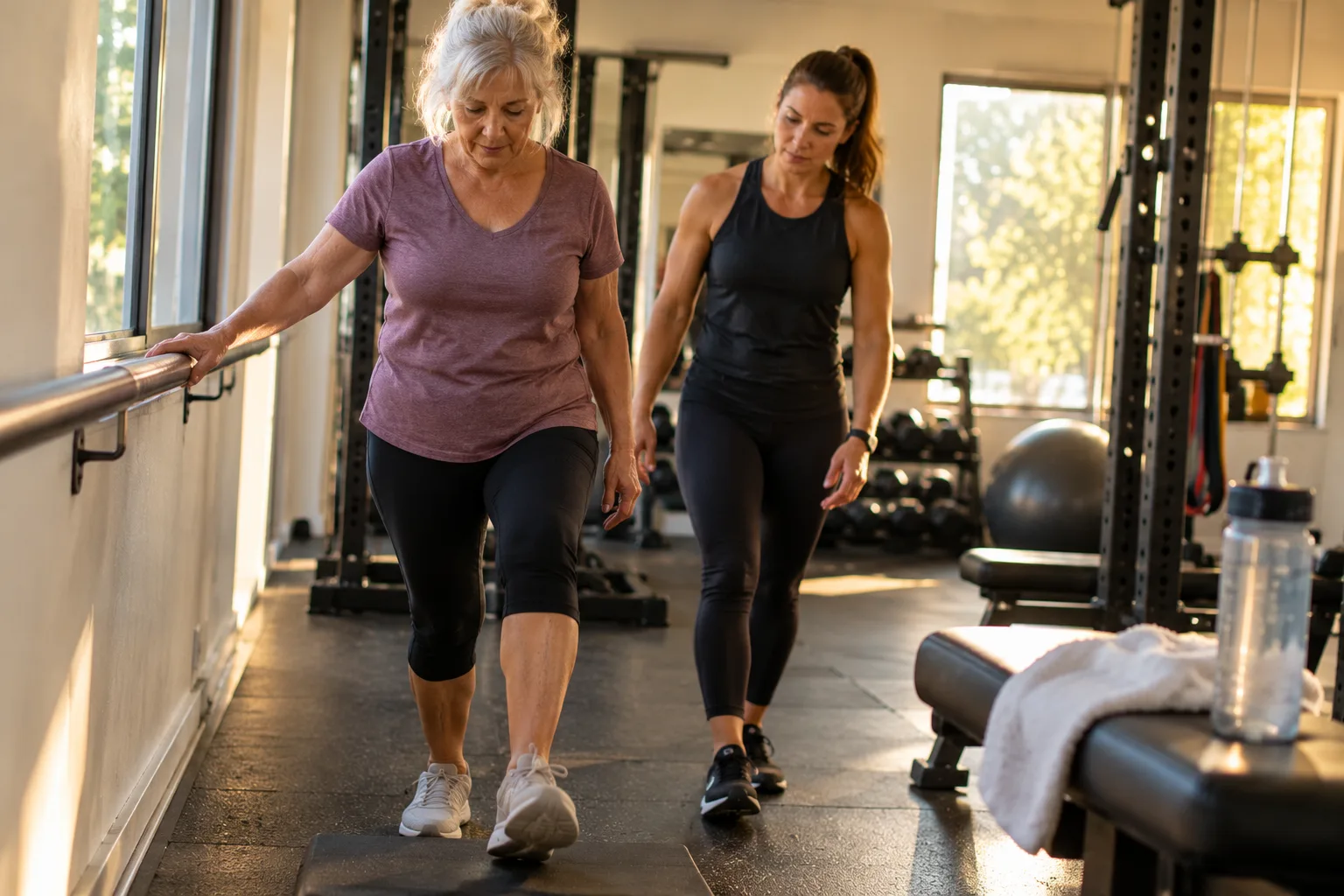
A fall can shake more than your body; it can shake your confidence. Many Miami seniors start to worry about every step, especially on crowded Brickell sidewalks, wet tiles, or shiny condo floors. It is common to walk less, skip outings, and say no to favorite activities because the fear of falling again feels so strong.
The first 8 to 12 weeks after a fall are a key window. During this time, your body and brain start building new patterns. If you stay still, the body learns stiffness and weakness. If you move with poor habits, those habits can stick. With the right help, this same window can be used to rebuild strength, balance, and a safer walking pattern.
A team approach works best. Your primary care or geriatric doctor checks your medical safety; a physical therapist helps with pain and movement; and a senior fitness trainer in Miami builds day-to-day strength and stamina. This is especially helpful before holiday events and our busier winter social season.
With a safe, structured 8-week plan, most people can expect better walking speed, less fear, more stamina, and easier daily tasks. It does not have to be perfect to feel better. Small wins, repeated often, add up.
Build Your Post-Fall Medical and PT Team
Before anything else, it is important to make sure your body is ready to train. Start with medical check-ins and physical therapy so you and your family feel safe moving forward.
Helpful medical steps include:
- Follow up with your primary care or geriatric doctor
- Review all medications, especially those that affect blood pressure or balance
- Ask if imaging or specialist visits are needed for your hips, spine, head, or heart
- Share any new symptoms like dizziness, chest tightness, or strong fatigue
A physical therapist can then look at how your body is working right now. They can:
- Check your pain, joint movement, gait, and balance
- Give hands-on treatment to help pain and stiffness
- Teach early protective exercises and safer ways to get in and out of chairs or bed
- Show you how to move with a cane or walker if needed
When you go to PT, it helps to bring:
- A list of all falls in the last year, even small ones
- A current medication list
- Any assistive devices you use, like a cane or walker
- Written questions about walking, driving, and travel
Clear communication is the glue. PT notes and safety rules should be shared with your fitness trainer before you start or restart strength work. That way, your trainer does not guess. They build on what is already helping you instead of working against it.
When to Add a Senior Fitness Trainer in Miami to Your Team
A senior fitness trainer fits in best after the first round of medical and PT care. Many people are ready to add training once pain is under better control and PT has cleared basic movements. This is often somewhere between 2 and 6 weeks after a fall, though your timeline may be different.
A good senior fitness trainer in Miami understands:
- Osteoporosis and how to protect the spine and hips
- Joint replacements and joint pain
- Balance and gait changes with aging
- Common heart and blood sugar conditions in older adults
- Local issues like heat, humidity, and uneven sidewalks
There are also times when training should wait. Red flags include:
- Uncontrolled or rising pain
- Frequent dizziness or near fainting
- New medication changes with unknown side effects
- New shortness of breath or chest pressure
If any of these show up, they belong back with your doctor or PT first.
At our studio in Brickell, we focus on private one-on-one sessions in a calm space. We use detailed assessments and coordinate with your PT so we avoid unsafe motions and match your medical guidelines.
Your 8-Week Confidence, Gait, and Strength Blueprint
This sample roadmap shows how a focused 8 weeks can look when your medical team has cleared you for training.
Weeks 1 to 2: Reintroducing movement safely
We keep things simple and gentle:
- PT-approved daily walking, even if it is just down a hallway
- Sit-to-stand practice from higher chairs so you do not strain your knees or back
- Easy ankle circles and hip motions to get joints moving
- Basic posture and light core work in supported positions
We also encourage a fall diary. You can write down:
- When you feel most unsteady
- What makes your fear of falling worse or better
- How confident you feel each day on a simple 1 to 10 scale
Weeks 3 to 4: Building a strong, stable foundation
Now we start adding light resistance:
- Leg work like glute bridges, step backs, and supported squats to a chair
- Upper body rows and light presses to help with posture and pushing doors
- Grip strength work, helpful if you use a cane, walker, or shopping cart
Balance practice stays safe and supported:
- Standing with feet closer together while holding a counter
- Semi-tandem stance, one foot slightly in front of the other
- Gentle weight shifts side to side and forward and back
We can also teach safe floor transfer options and ways to get up from a fall that match your strength and joints.
Weeks 5 to 6: Gait, endurance, and real-world practice
Now we focus more on walking:
- Longer, slightly faster walks in indoor, climate-controlled areas
- Gradual outdoor walks with supervision, with care around heat, sun, and wet sidewalks after rain
We layer in gait drills like:
- Heel-to-toe walking to improve foot placement
- Step length practice so steps are not too short and shuffly
- Calm, controlled turning without rushing
Dual task drills make it more real, like:
- Counting backward while walking
- Carrying a light bag or bottle while staying steady
Weeks 7 to 8: Confidence for Miami life
We shift into everyday tasks:
- Practice with curbs, ramps, and driveways
- Grocery-style walking with a cart
- Getting in and out of cars or ride-shares
- Walking in busier condo hallways or Brickell sidewalks at a relaxed pace
To show progress, we can use simple strength and gait checks, for example:
- How many safe sit-to-stands you can do from a set chair height
- How long it takes to walk a hallway you use often
By the end of 8 weeks, we like to set a 3 to 6 month follow-up routine. This helps you keep your gains going into the busy holiday season and beyond.
Trainer and PT Coordination Checklist for Safer Progress
Good teamwork lowers risk and keeps your plan clear. It also lets you avoid repeating the same exercises in different places.
What your PT should share with your trainer:
- Diagnosis and precautions such as osteoporosis, joint replacements, neuropathy, or blood pressure limits
- Motions to avoid like forward bending with load, strong twisting, or heavy overhead work
- Your current home exercise program and notes on how you are doing
What your trainer should share with your PT:
- Any pain spikes, dizziness, or balance losses during sessions
- Changes in your gait, like shorter steps or drifting to one side
- Noticed fatigue patterns and trouble with stairs, bed transfers, or chairs
- Strength and endurance gains that may affect how PT progresses your plan
Helpful tools for smooth communication include:
- A simple consent form that allows your providers to share notes
- A short monthly summary from the trainer to your PT and doctor
- Quick phone calls if red flags show up or if something changes suddenly
At Dubail Fitness Institute, we use secure communication and plan regular check-ins every few weeks so everyone stays on the same page.
Start Your Safe Comeback Plan Before the Next Season Shifts
Many seniors say they will work on strength and balance “after the holidays.” Waiting often leads to less movement, more stiffness, and higher fall risk just when social plans and travel pick up again. The longer you wait, the harder it can feel to restart.
A safer plan is to move step by step. Start with your doctor and PT, then add a senior fitness trainer in Miami to guide you through a focused 8-week rebuild of strength, balance, gait, and daily confidence. A fall does not have to be the end of independence. With the right team and a clear roadmap, many older adults return to walking with friends, traveling, and enjoying the Miami life they love.
Reclaim Strength And Confidence With Expert Senior Fitness Support
If you are ready to feel stronger, move with more ease, and protect your long-term independence, we are here to guide you every step of the way. At Dubail Fitness Institute, we start with a detailed evaluation so your training plan is safe, effective, and tailored to your goals. Schedule your assessment with a certified senior fitness trainer in Miami today and take the first concrete step toward better health and confidence.