Outsmart Miami Humidity to Lift Heavier and Recover Faster
Humidity in Miami does not just make your hair frizz; it makes your lifts feel heavier and your heart pound faster. When the air is sticky, your body works harder to cool itself, so the same weight can feel like a big jump in effort. That can slow your progress and make your strength sessions feel less enjoyable.
With a smart hydration and recovery plan, you can keep building muscle, dropping body fat, and protecting your joints, even when it is hot and muggy outside. In this guide, we will walk through how to estimate your sweat rate, choose the right electrolytes, and use simple cooling steps after you lift. These are strategies we use in our one-on-one sessions in Brickell to help people keep training hard and aging well in a resistance training program in Miami.
How Miami Heat Changes Your Lifting Performance
When humidity is high, sweat does not evaporate as well. Your body still produces sweat, but it just sits on your skin instead of cooling you. That makes your core temperature rise faster, so your heart rate climbs and you feel tired sooner.
Here is what often shows up in the gym on hot, sticky days:
- More cramping during higher-rep sets, especially in legs and back
- Feeling lightheaded or “woozy” between sets
- Needing longer breaks to catch your breath
- Feeling drained the rest of the day, even after a normal workout
All of this matters for your goals:
- For fat loss, you may shorten sessions or skip planned sets because you feel wiped out.
- For strength, you may stop adding weight because each set feels harder than it should.
- For aging well, heat stress can make your joints and nervous system feel “beat up,” which can cut into your consistency.
When we respect the heat instead of fighting it, we can plan your resistance training, hydration, and recovery so your body stays safer and your progress stays on track year-round.
Dialing in Sweat-Rate Testing for Smarter Hydration
You do not need fancy lab gear to start understanding your sweat rate. A basic at-home test gives you a solid starting point and helps you avoid both under drinking and over drinking.
Try this simple sweat-rate test during one of your typical lifting days:
- Step 1: Use the bathroom, then weigh yourself before training, with minimal clothing.
- Step 2: Do your usual workout in Miami conditions, for at least 45 to 60 minutes.
- Step 3: Track what you drink during your session. Note how many ounces or milliliters.
- Step 4: Towel off sweat, then weigh yourself again with the same clothing.
If your weight drops, that loss is mostly fluid. Combine that with what you drank to estimate how much you lose per hour. For example, if you drank some water and still finished lighter, that means your body let go of more fluid than you replaced.
You can then turn that into a simple plan:
- Aim to drink small, regular sips between sets instead of chugging at the end.
- Use your typical sweat rate as a baseline, then add a little more on very humid days or if you walk outside before or after lifting.
- Keep a note in your phone so you see patterns from session to session.
Watch for warning signs that you misjudged your sweat rate:
- Rapid weight drop from one session to the next
- Headache or feeling “foggy” after training
- Dark or strong-smelling urine
- Persistent muscle cramps during or after workouts
If these show up, it can be smart to back off the intensity that day, add more fluids and electrolytes, and let your body catch up before pushing hard again.
Electrolytes That Actually Help, Not Just Taste Good
Hydration is not only about water. When you sweat in Miami humidity, you also lose electrolytes that help your muscles and nerves work well.
The big three for most lifters are:
- Sodium: Helps your body hold fluid and supports muscle and nerve signals.
- Potassium: Works with sodium to keep muscles contracting smoothly.
- Magnesium: Plays a role in muscle relaxation and may help reduce feelings of tightness and cramping.
You have a few useful options to keep these in balance:
- Sports drinks: Convenient, but often higher in sugar, which may not fit some weight loss plans.
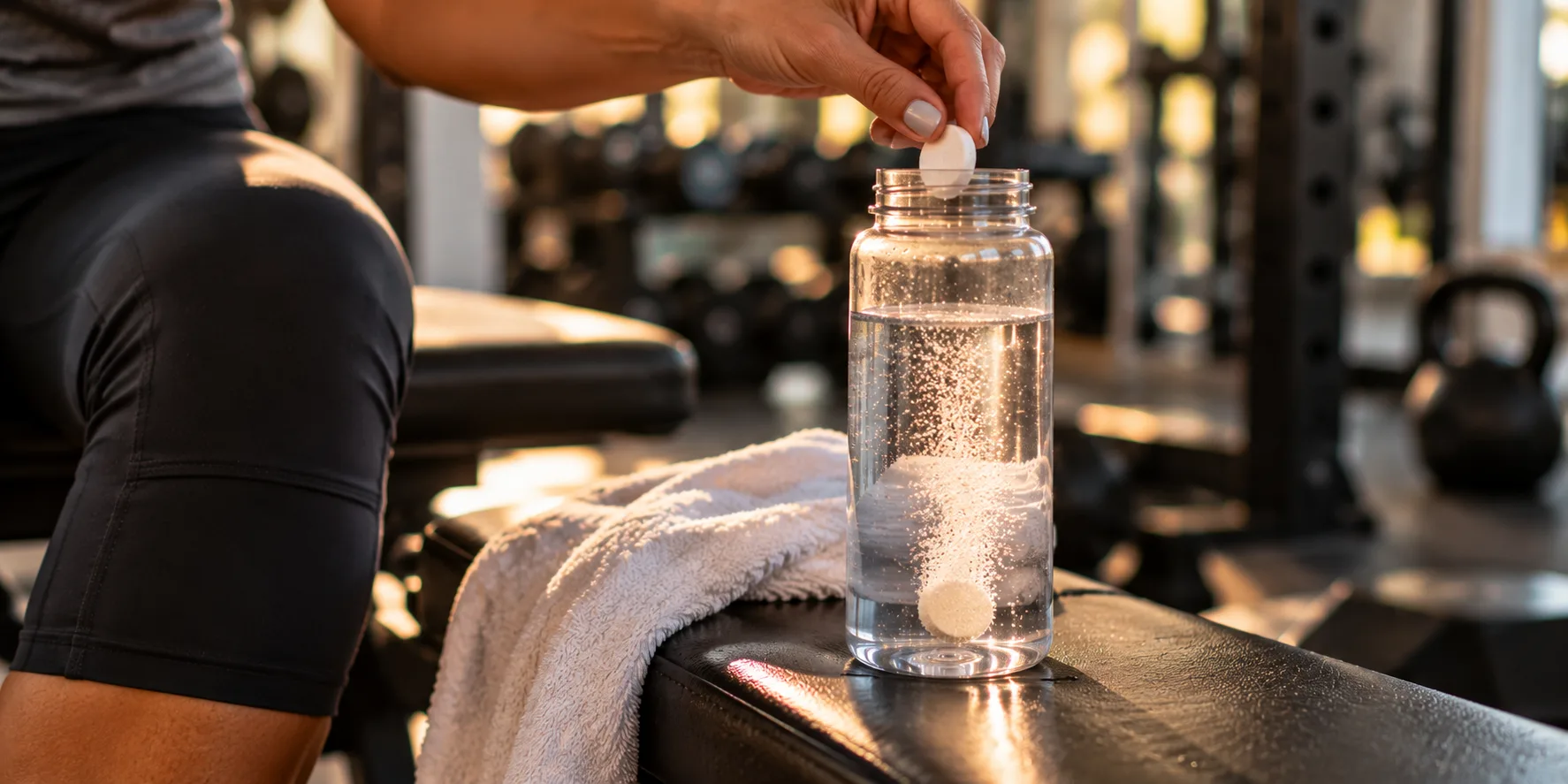
- Low-sugar electrolyte powders or tablets: Easy to stir into water and adjust based on how much you sweat.
- Whole food sources: Lightly salted meals, broth, potatoes, bananas, and other potassium-rich produce.
Plain water can be enough when:
- Your lift is under an hour
- The gym is cool and you are not a heavy sweater
- You are doing lower intensity strength work with longer rests
Electrolytes start to matter more when:
- Sessions run longer or the gym feels extra stuffy
- You sweat heavily or see salt marks on your clothes
- You are an older adult, or you train several days in a row
In our one-on-one coaching, we match electrolyte choices with your overall nutrition so they support your resistance training program in Miami without working against your body composition goals.
Post-Lift Cooling and Recovery Routines That Work
How you treat your body in the 10 to 15 minutes after lifting can change how you feel for the next 24 hours. In humid weather, a small cooling routine pays off in better sleep, better mood, and better training the next day.
Here is a simple post-lift protocol you can use:
- Step 1: Transition from heavy lifting to 3 to 5 minutes of light walking or gentle bike.
- Step 2: Add 5 minutes of easy stretching for hips, chest, and upper back, not aggressive pushing.
- Step 3: Start cooling your body temperature with practical tools.
Cooling ideas that work well in Miami:
- Cool or slightly cold shower soon after you get home
- Fan blowing on you while you stretch or do light movement
- Cold, wet towel or ice pack on the back of your neck and upper back
- A short “cold plunge lite” by sitting with lower legs in cool water
During late October, the calendar says “fall,” but the air still feels like summer here. That can trick people into skipping these steps because they think the season has changed, even though their core temperature is still climbing during training.
If you are an older adult or just getting back from travel or time off, ease back into full intensity:
- Start with shorter sessions and see how your body handles the heat.
- Pay close attention to sleep, cramping, and next-day energy.
- Build up volume and load as your body adjusts again.
Turn Humidity Into Your Training Edge in Miami
Miami humidity is not going anywhere, but it does not have to limit your progress. When you know your sweat rate, plan your fluids and electrolytes, and follow a simple cooling routine, you can keep lifting heavy and feeling strong all year.
We encourage you to pick one change to try in your next workout. Maybe you run a basic sweat-rate test this week, or you set a timer to sip water between sets, or you give yourself that 10-minute cool-down instead of rushing out the door. Over the next couple of weeks, notice how your strength, energy, and cramping respond, and keep adjusting until your body feels steady and strong in the Miami heat.
Build Lasting Strength With Expert Guidance Today
If you are ready to train smarter and see real progress, our coaches at Dubail Fitness Institute are here to guide you every step of the way. Start a customized resistance training program in Miami that fits your goals, schedule, and current fitness level. We will help you improve strength, confidence, and performance with a plan that keeps you accountable and challenged. Reach out today to schedule your first session and take the next step toward a stronger you.