Build Stronger Bones and Confidence After Menopause
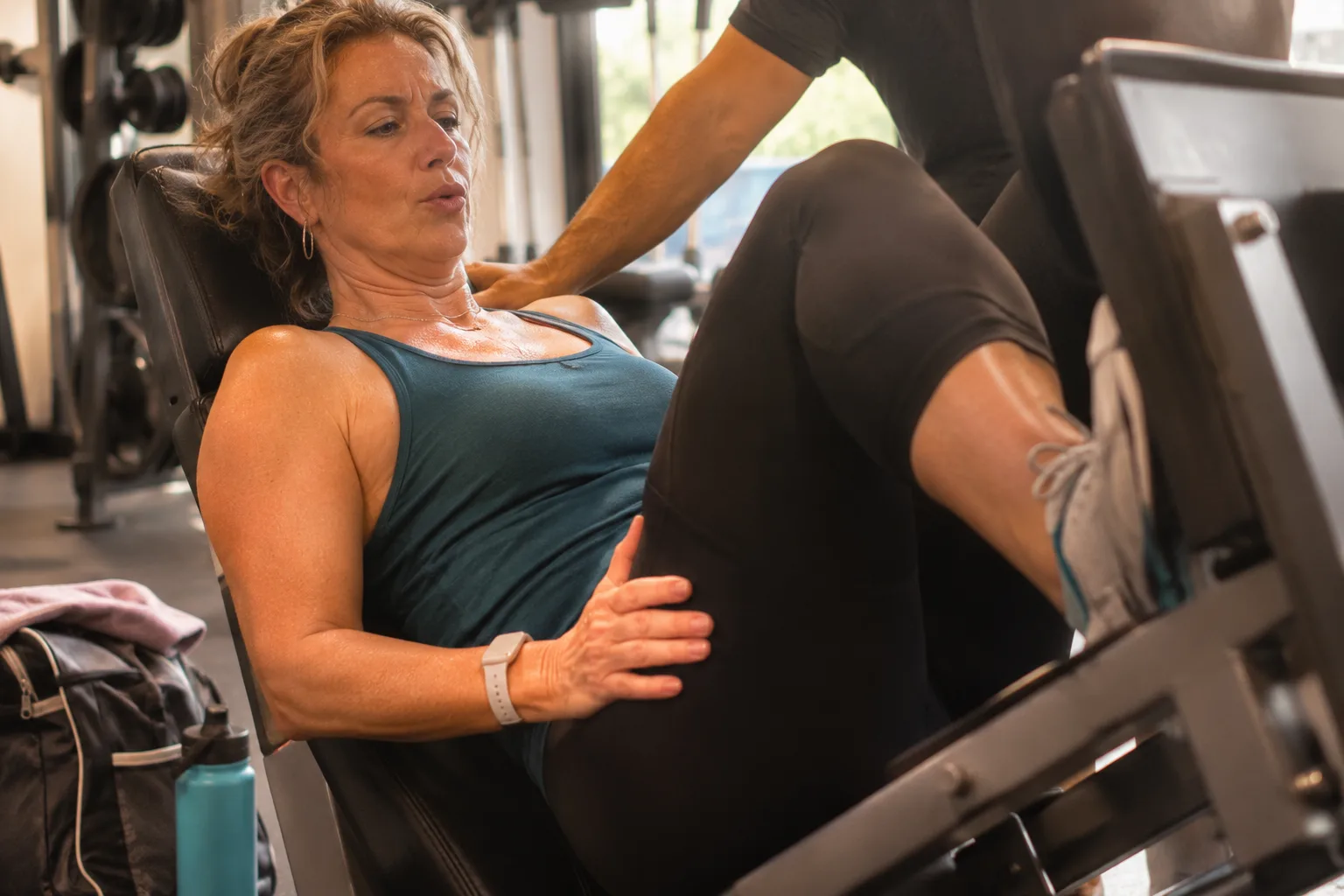
Strength training after menopause is one of the smartest choices you can make for your body. Your hormones are shifting, your energy may feel uneven, and you might notice tasks like carrying grocery bags or walking long blocks in Brickell feel a bit harder than they used to.
This is exactly why a clear, safe 12-week strength plan matters. With the right lifting structure, recovery, and support from a private personal trainer in Miami, you can build muscle, protect your bones, move with more confidence, and head into the holiday season feeling steady instead of drained.
Over the next sections, we will walk through a three-phase strength plan, how to focus on bone density, how to respect your joints and recovery, and how one-on-one coaching can personalize every step so you feel supported, not overwhelmed.
Why Post-Menopause Strength Work Must Be Different
After menopause, your body does not respond to training the same way it did in your 30s or 40s. Estrogen drops, which can affect bones, muscles, and how your body stores fat.
Some key changes many women notice include:
- Higher risk of osteopenia or osteoporosis
- Slower recovery between tough workouts
- More joint stiffness or soreness
- More fat stored around the midsection
This is why random bootcamps or crowded group classes can be a poor fit. They often include:
- High impact moves that pound the joints
- Fast-paced circuits with little coaching on form
- One-size-fits-all workouts that ignore bone density
- No time to adjust for past injuries or medical needs
In a private one-on-one studio, training looks different. We can screen for joint issues, review bone density reports if you have them, and build progressions that fit your body. In a busy holiday season when big gyms feel packed and distracting, a quiet, controlled space also lets you stay focused and calm.
Phase 1: Weeks 1, 4 Foundation for Joints, Core, and Confidence
The first few weeks set the tone. Before lifting heavy, we want to know your history and how you move right now.
A smart start usually includes:
- Medical and exercise history
- Any bone density scans you have
- Fall history and past injuries
- Medications that may affect balance or bones
At our studio, we also use body composition testing to see your starting point for muscle and fat. That way you can see real changes, not just what the scale says.
For training itself, we begin with 2 to 3 sessions per week. The focus is gentle but purposeful strength. We teach fundamental patterns, such as:
- Squat, like sitting and standing from a chair
- Hip hinge, like a small bow from the hips
- Push and pull, for chest and back strength
- Carry, for grip and core strength
We often start with machines, light free weights, and bodyweight. Reps stay controlled, tempo is slow, and the goal is a pain-free range of motion, not burning yourself out.
We also spend extra time on core and balance, for example:
- Supported split squats holding a rail or bench
- Step-ups to a low box or step
- Farmer’s carries with light dumbbells
- Dead bug core work on the mat
- Simple single-leg balance drills near support
Recovery in this phase is just as important as the exercises. We usually keep at least one rest day between lifting days. Sleep and hydration matter a lot, especially if you are walking more outdoors or staying active with friends and family around the holidays. With one-on-one coaching, we can adjust loads based on how you feel, your soreness, and your daily schedule.
Phase 2: Weeks 5, 8 Progressive Lifting for Muscle and Bone
Once your body understands the basics and you feel more confident with the movements, we start to ask a little more from your muscles and bones.
In this phase, we often move to moderate weights in the 8 to 12 rep range, still 2 to 3 times per week. Typical moves might include:
- Leg press and goblet squats for hips and thighs
- Romanian deadlifts to train the back of the legs
- Chest press for chest and shoulders
- Rows for upper back and posture
The goal is controlled, heavier loading without pain. Bones like the hips, spine, and wrists respond to this kind of work. Over time, that repeated tension sends a signal that your body should keep those bones stronger.
For some women, we may also introduce gentle impact, only with medical clearance and careful supervision. That may include:
- Heel drops while holding a rail
- Light step-downs off a low box
- Small hops or quicker step-ups to a stable platform
This is always monitored closely, especially if you have osteopenia. We look for control and comfort, not big jumps.
The holiday season often hits hardest during this middle phase. Travel, parties, and rich foods can throw you off. With a private personal trainer in Miami, we can adjust:
- Shorter but focused sessions before travel
- Lighter workouts after late nights
- Simple “maintenance” plans when you are away
Body composition testing and strength benchmarks help keep you motivated when progress feels slower. Grip strength, smoother stairs, or feeling more steady getting off the couch are all signs your work is paying off.
Phase 3: Weeks 9, 12 Strength, Bone Density, and Independence
Now we lean into strength and independence. Your technique is better, your confidence is higher, and your body is more prepared.
In this phase, we often shift many lifts into the 6 to 10 rep range with slightly heavier loads, while still guarding your joints. We might use:
- Trap bar or elevated deadlifts
- Machine rows and cable presses
- Step-ups to a higher box
- Loaded carries for distance or time
We also make training feel more like real life. Circuits may pair:
- Step-ups with single-leg balance holds
- Farmer’s carries with controlled sit-to-stands
- Hip hinges with reaching and lifting patterns
This makes daily tasks easier, like lifting luggage into a car, carrying groceries through a parking garage, or getting down onto the floor to play with grandkids and then standing up without fear.
Alongside strength work, we usually support you with joint-friendly cardio 2 to 4 times per week. This could be:
- Brisk walking around Brickell
- Incline treadmill walking
- Cycling or a low-impact machine
Intensity depends on your joints, energy, and medical guidance. We want your heart, blood sugar, and mood supported without beating up your knees or back.
By the end of this phase, the goal is not to “finish” but to have a routine you can keep. Strength training 2 to 3 times per week long term helps protect the muscle and bone gains you have worked for.
Recovery, Nutrition, and Hormones for Stronger Bones
Results after menopause depend on how you recover as much as how you lift. Consistent sleep, simple mobility sessions, and planned lighter weeks when needed all help your body adapt.
We watch for signs of overtraining, like:
- Sleep getting worse
- Nagging joint pain that does not fade
- Constant fatigue or irritability
Nutrition is another big piece. Strong bones and muscles need:
- Enough protein spread through the day
- Calcium-rich foods that fit your tastes
- Vitamin D and magnesium from food and, if advised, supplements
- Enough total calories so your body does not break down more bone
At Dubail Fitness Institute, we pair training with nutrition coaching so changes feel realistic, even with holiday events on your calendar.
Hormones also play a role. Some women use hormone replacement therapy under a doctor’s care. We respect that this is a medical decision. We encourage open communication between you, your physician, and our training team so your program fits safely around osteoporosis, joint replacements, or any other conditions you bring into the studio.
Start Training With Proven Experts For Real Results
If you are serious about transforming your health, we are ready to guide you with a structured plan and personal accountability. At Dubail Fitness Institute, our coaches tailor every session to your goals, schedule, and current fitness level so you never feel lost in the gym again. Take the first step by working with a dedicated private personal trainer in Miami who focuses on measurable progress and sustainable habits. Reach out today so we can map out a clear path from where you are now to where you want to be.