Why This 14-Day Nutrition Experiment Matters in Miami
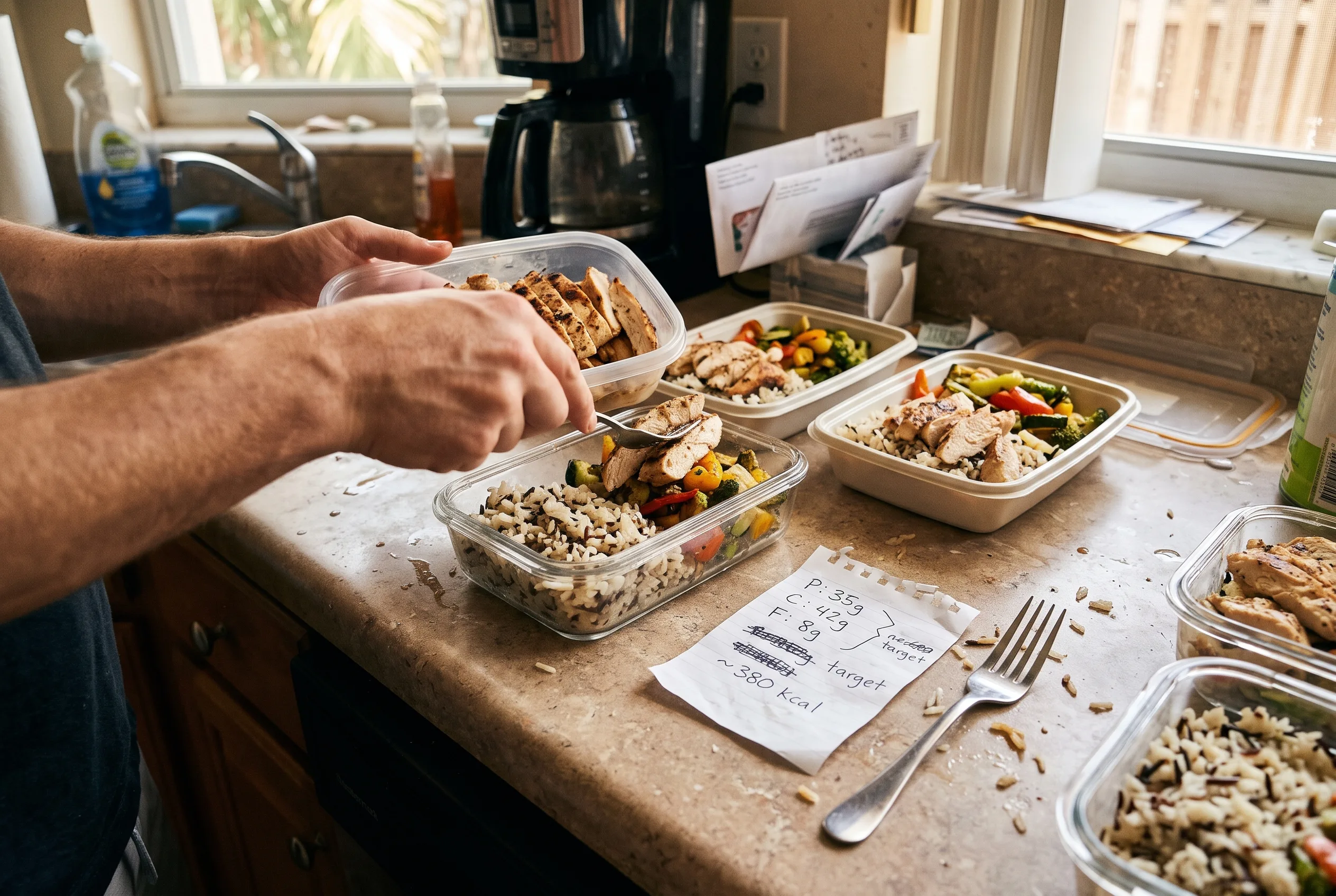
Nutrition in Brickell can feel tricky. Long workdays, traffic, coffee runs, and endless delivery apps make it very easy to eat on autopilot. At the same time, there are more nutrition and meal apps than ever, all promising fast fat loss with just a few taps.
At our private studio in Brickell, we wanted to see how those apps stack up against real nutritional coaching in Miami. So we looked at a simple 14-day experiment that compared a meal app plan with human coaching, focusing on adherence, behavior change, and short-term results. The timing is perfect for November, when many people want a quick reset before holiday parties, travel, and extra social events.
By the end of this article, you will see where apps help, where they fall short, how human coaching works differently, and how to pick the option that fits your goals, budget, and personality right now.
Inside the 14-Day App vs. Coach Challenge
To keep things simple, think of one busy Brickell professional running two different 14-day blocks at separate times, with the same main goal: lose fat, feel more energetic, and support better long-term health.
For both blocks, the basic plan was similar:
- Clear calorie targets
- Similar protein, carb, and fat ranges
- Strength training sessions several times per week
On the meal app side, the tools looked like this:
- App-based meal suggestions and sample menus
- Barcode scanning and a big food database
- Macro and calorie tracking with visual charts
- Push notifications and generic tips in an FAQ section
There was some setup at the start, but after that the app followed rules, not real life. It could not respond to last-minute dinners, late meetings, or a hectic Brickell lunch rush.
On the coaching side, the plan was driven by a real conversation. A coach at our studio talked through sleep, stress, work schedule, favorite foods, and social habits. Support included:
- One-on-one sessions in person or virtual
- Daily text check-ins during the 14 days
- Adjustments based on stress, travel, and energy
- Ideas for Brickell restaurants, cafecito habits, and cultural comfort foods
Both approaches were measured on:
- Adherence, how often meals were tracked and how often the plan was followed
- Behaviors, like snacking, late-night bites, and emotional eating
- Physical changes, such as scale weight and circumference shifts
- Subjective changes, like energy, hunger, cravings, and confidence
What the Numbers Showed After Just 14 Days
After only two weeks, patterns started to stand out.
With the app, tracking usually started strong. The first days felt exciting and new. By the second week, many logs were missing or only half filled out. Restaurant meals were hard to record, and social events made tracking confusing. People often reported app fatigue and gave up for the day when they went off plan.
With coaching, adherence to the plan tended to stay steadier. Daily texts and check-ins made a difference. When something unexpected came up, like a late-night work project or last-minute dinner, the plan was adjusted instead of ignored. That kept the habit of awareness going even when the day was not perfect.
Behavior and mindset looked different too:
- Coached clients became more aware of patterns like evening snacking or weekend overeating
- Triggers like stress at work or boredom at night were called out and addressed
- App users often treated the app like a scoreboard. Green numbers were “good,” and red numbers were “bad.”
When people using the app went over their calorie number, many wrote off the whole day and stopped logging. That all-or-nothing thinking slowed behavior change.
Physical changes in 14 days were small but noticeable for both approaches. A slight drop in weight and some improvement in waist measurements often showed up. Where coaching pulled ahead was in consistency, which led to better energy during strength training sessions and more confidence stepping into the gym.
Emotionally, coached clients typically reported feeling more supported and less stressed about food. App users started motivated but often felt alone when life did not match the preset plan.
Where Meal Apps Shine and Where They Fall Short
Meal and nutrition apps are not “bad.” They can be helpful tools when used the right way.
Where they shine:
- Convenience, easy to log foods and see calories and macros
- Quick awareness, people finally see how much they actually eat
- Good fit for self-directed people who already know nutrition basics
- Lower commitment step before moving into deeper coaching
But the 14-day challenge made some limits clear:
- Apps have limited context, they do not know your stress level or social schedule
- There is no real accountability, a push notification is easy to swipe away
- The focus stays on numbers only, not food quality or how you feel
Someone can hit their calorie goal using mostly low-quality foods and still feel tired, hungry, and stuck in cravings. This matters even more in November, with holiday parties, work events, and family meals. At buffets or big dinners, an app might not give practical guidance in the moment, which often leads to an “I blew it, I will restart in January” mindset.
How Human Nutritional Coaching Changes Behavior for Good
Human coaching looks beyond the app screen and into your actual life.
At a studio like ours, nutritional coaching in Miami centers on you, not just numbers. A coach looks at:
- Work hours and commute
- Favorite cuisines and cultural foods
- Medical history and any guidance from your doctor
- Sleep, stress, and current training
The goal is not a perfect plan on paper, but a realistic plan that you can repeat on busy days. Coaching also trains key skills: reading hunger cues, understanding portions, planning ahead, and staying flexible when life shifts.
Real accountability is a huge piece. Weekly check-ins and daily texts mean you are never stuck alone. If weight loss slows or cravings spike, the plan can be adjusted right away. That is something an app rarely does in a way that feels personal.
There is also emotional support. Coaches help you:
- Reframe “bad days” as data, not failure
- Look at progress over weeks and months, not one single meal
- Learn why protein, fiber, hydration, and meal timing matter
Local knowledge matters too. A coach in Brickell understands cafecito stops, Latin and Caribbean comfort foods, and constant warm-weather “beach body” pressure. Nutrition is lined up with strength training and regular assessments so your eating supports how you look, feel, and perform.
How to Choose Between Apps and Nutritional Coaching in Miami
So, which option fits you right now?
Think about your goals and timeline:
- If you mainly want awareness of what and how much you eat, an app might be enough for now
- If you want noticeable fat loss, strength and muscle, or better health markers, coaching gives you a clearer path
Next, consider your personality:
- If you are very self-motivated and like data, you may enjoy an app plus occasional expert input
- If you are busy, stressed, or have tried many diets already, one-on-one coaching is usually a better fit
You can also think of a hybrid model. Work with a coach for a focused season to build skills and habits, then lean on an app later as a simple tracking tool for maintenance.
A simple way to decide:
- If you need education, accountability, and support, coaching is likely your best starting point
- If you already have those skills and just want tracking, an app can help you stay organized
- If you are unsure, talk with a professional who can review your current habits and help you map out the next 30 to 90 days in a way that fits life in Miami
Whichever path you pick, a 14-day reset can be a great spark before the holidays.
Transform Your Eating Habits And Reach Your Fitness Goals Faster
If you are ready to align your nutrition with your training, our experts at Dubail Fitness Institute are here to guide you every step of the way. Explore how our personalized nutritional coaching in Miami can help you build sustainable habits that match your lifestyle and goals. We will work with you to create a clear, realistic plan so you know exactly what to eat and why. Take the next step today and start making your nutrition a powerful asset, not a daily struggle.